More than 3,500 people gather for the sixth edition of La Cata del Barrio de la Estación, enjoying a unique wine and gastronomy experience.
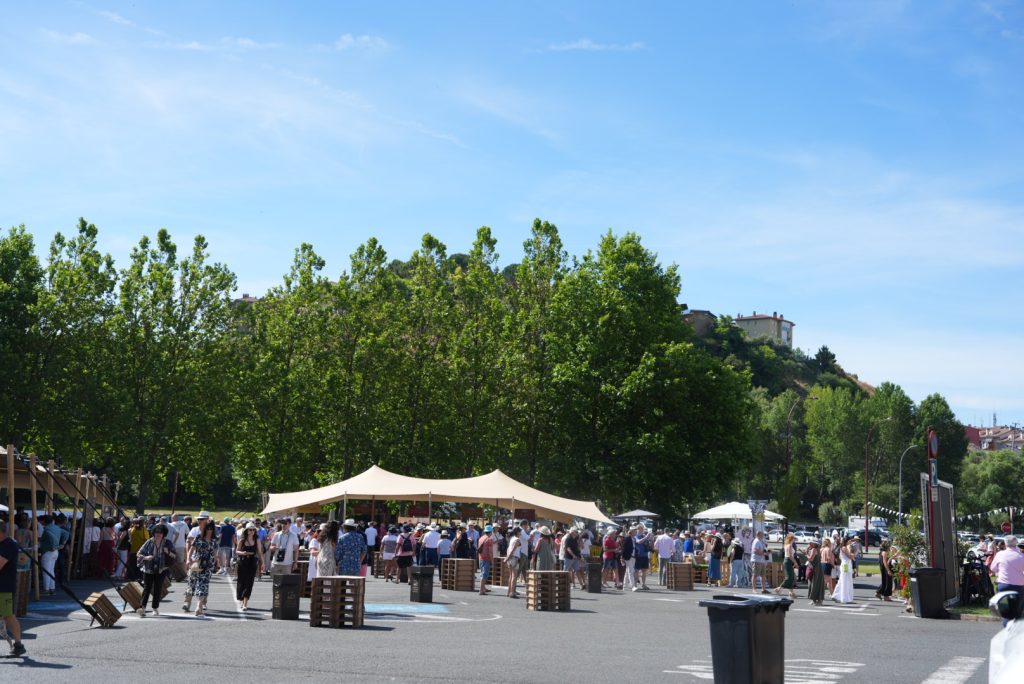
La Cata del Barrio de la Estación celebrated its sixth edition this Saturday, once again transforming this historic enclave into the great epicentre of the wine world. More than 3,500 attendees filled the streets, gardens and spaces between the wineries of this unique place in the world to enjoy an unforgettable day dedicated to wine, gastronomy and Rioja culture.
Tickets for this new edition sold out just minutes after going on sale, consolidating La Cata del Barrio de la Estación as one of the most prestigious and eagerly awaited wine and gastronomy events on the national calendar.
“Today, the Barrio de la Estación has once again shown why it is one of the most unique places in the world of wine. The response from the public has been extraordinary and confirms that La Cata del Barrio de la Estación is much more than an event: it is a collective celebration of wine culture, our history and the way we understand excellence,” says the president of the Barrio de la Estación Association, Mayte Calvo de la Banda.
Located on the outskirts of Haro, the historic wine capital of Rioja Alta, the Barrio de la Estación is an exceptional collection of wineries grouped around the old railway station, on the banks of the Ebro River. It was precisely here that, in the 19th century, the great Rioja wine revolution began, thanks to the entrepreneurial vision of its pioneers, the development of new winemaking techniques and the growth of wine trade with Bordeaux.
The Barrio de la Estación is considered one of the world’s most important wine tourism destinations and brings together the highest concentration of historic wineries. It is home to some of the most iconic and prestigious names in Spanish wine: CVNE, Bodegas Gómez Cruzado, La Rioja Alta, S.A., Bodegas Bilbaínas – Viña Pomal, Muga and Bodegas RODA. Six historic wineries whose wines have played a decisive role in building Rioja’s international reputation thanks to their elegance, ageing potential and excellence.
Great wines, music and cultural experiences… and the most innovative Rioja gastronomy
Throughout the day, attendees were able to taste twelve exceptional wines —two selected references from each winery— as well as taking part in exclusive activities specially created for this edition, cultural experiences, live music and gastronomic proposals designed for the occasion.
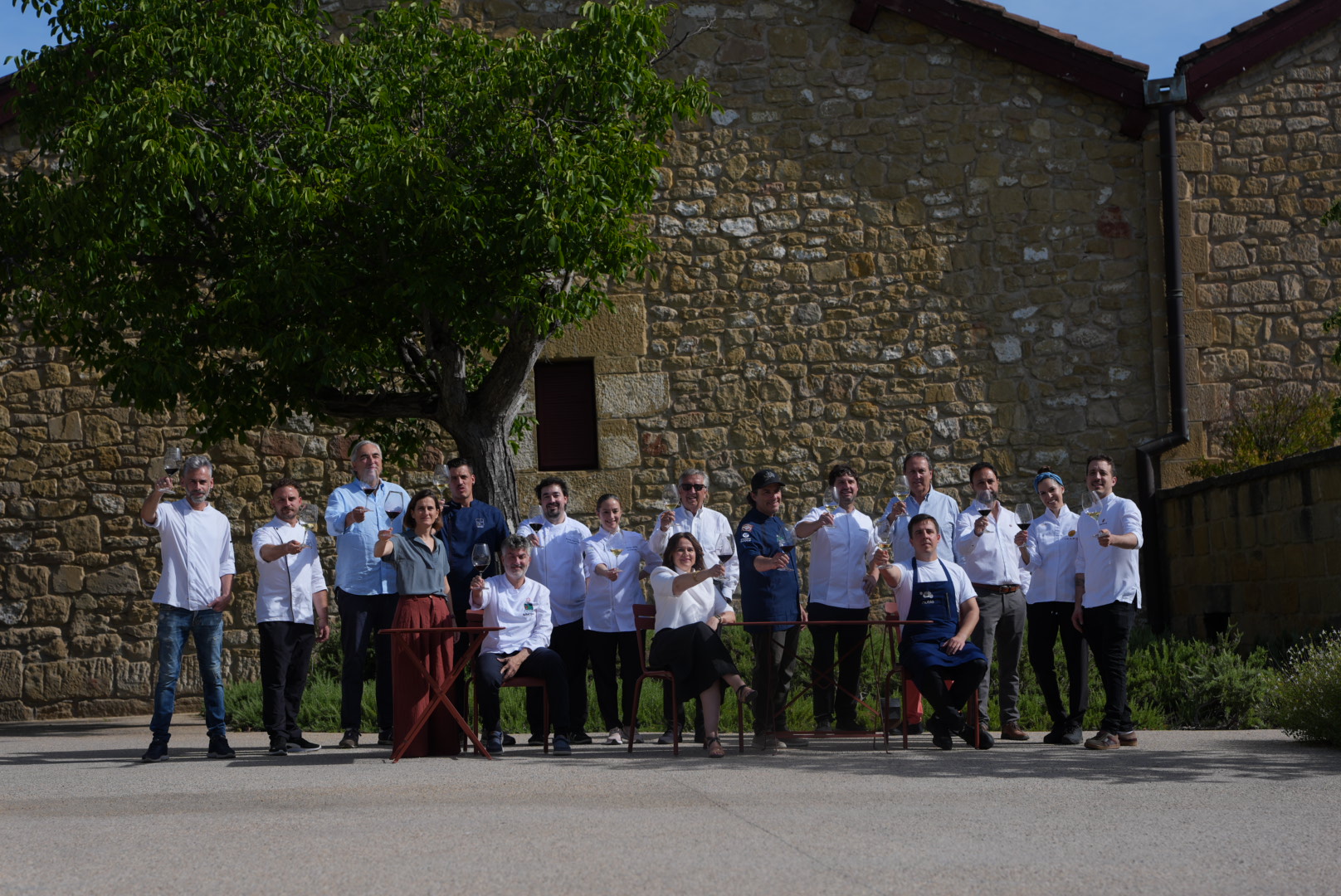
As great companions for this sixth edition, La Cata also brought together some of the chefs leading the new gastronomic revolution in Rioja and neighbouring regions. All of them holders of a Michelin star, they represent a generation of chefs and restaurants that share the same contemporary vision of the territory, local produce and tradition. Among them were Ikaro, Nublo and Ajonegro from Rioja Alta, El Serbal from Cantabria, and Cobo Estratos and Erre de Roca from Castilla y León, who created exclusive proposals for each participating winery.
In the accreditation area, Kankel Bean To Bar offered its wine and chocolate pairing experience (red wine and pear sorbet with chocolate sheets, Peru chocolate mousse, chocolate sponge cake with panettone and red wine truffle), while Delicious Gastronomía presented its meat and vegetable paella.
In addition to tastings and wine experiences, the wineries opened their doors with special activities allowing visitors to discover some of the great rituals and secrets of Rioja wine: from cooperage demonstrations and traditional candlelit racking to photographic exhibitions, immersive tastings and experiences linked to the history and culture of wine.
“Throughout the day, we have felt the spirit that makes the Barrio unique: great wines, first-class gastronomy, music, culture and the passion of those who work every day to preserve this legacy. Seeing thousands of people enjoy this experience is the greatest reward and encourages us to continue building the future of this exceptional enclave,” concluded Mayte Calvo de la Banda.
La Cata del Barrio de la Estación has established itself as a must-attend event that once again places the Barrio de la Estación in the spotlight of the wine world and quality tourism. The seventh edition will take place in 2028.
See you in El Barrio!
About our collaborators:
La Cata del Barrio de la Estación is supported institutionally by the Government of La Rioja Alta and Haro City Council, as well as sponsored by Cartonajes Santorromán, Argraf, Ramondín, Berthomieu – Ermitage Tonnellerie, Ecotelia – Sorigué, Víctor and Amorim, Agua 22, Baqué, BOAL Eventos, Hyundai Riauto, Saltoki and RIEDEL Euroselecció. It also receives collaboration from the Consejo Regulador de la DOCa Rioja, Arquitelia, Estuchería Vargas, Hideco, Celebona 1960, Queso Los Cameros, Extra Virgin Olive Oil AUBOCASSA, Consejo de la Producción Agraria Ecológica de La Rioja (CPAER), Embutidos G. Sobrón Martínez, Bucher Vaslin + Enolviz and UNIR as educational partner.
About the Barrio de la Estación:
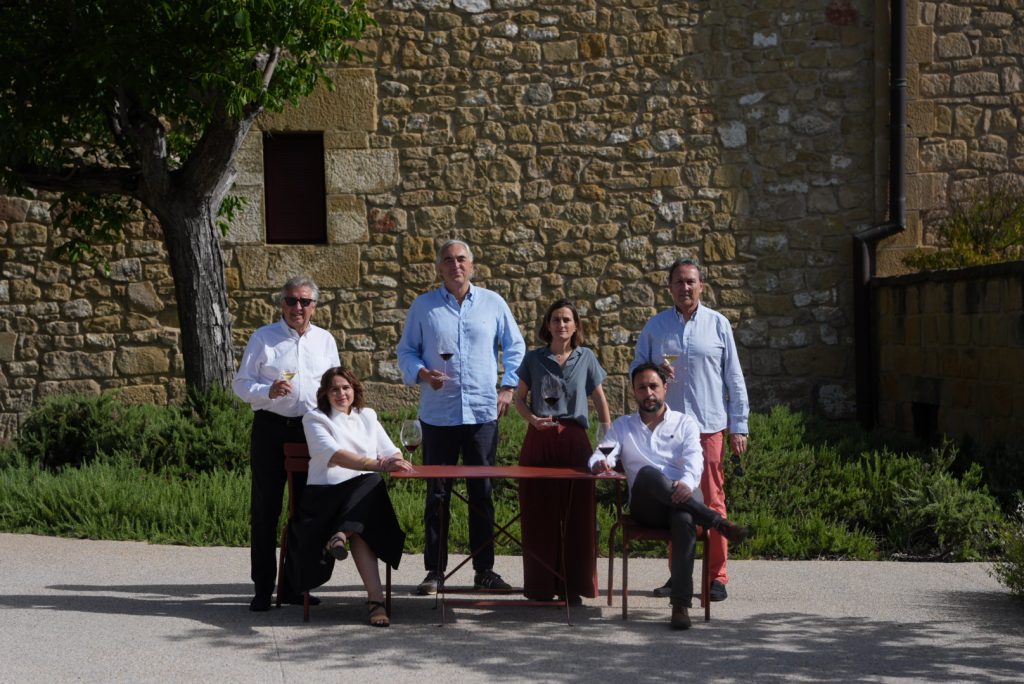
The Barrio de la Estación Association is made up of the following wineries: Bodegas Bilbaínas – Viña Pomal, CVNE, Bodegas Muga, Gómez Cruzado, La Rioja Alta, S.A. and Bodegas RODA. All are world-renowned references of DOCa Rioja and stand out not only for their internationally recognised and awarded wines, but also for their innovative wine tourism experiences, which represent an undeniable opportunity for development and promotion of an enclave open to visitors all year round.
The Association, created in 2007, has as its main objective, as stated in its statutes, the promotion of the wines of the wineries of the Barrio de la Estación, as well as the development of high-quality tourism around this historic centre and international reference point for Rioja wine.
Through these initiatives, the aim is to generate economic activity and wealth in the region, attracting a greater flow of visitors and tourists. Wine tourism consumers increasingly value creative and innovative experiences that, at the same time, contribute to strengthening and developing the competitiveness of rural areas, in this case the Barrio de la Estación, Haro and its surrounding region.